About the Louvre Museum
Discover the fascinating history and mission of the world's most visited museum
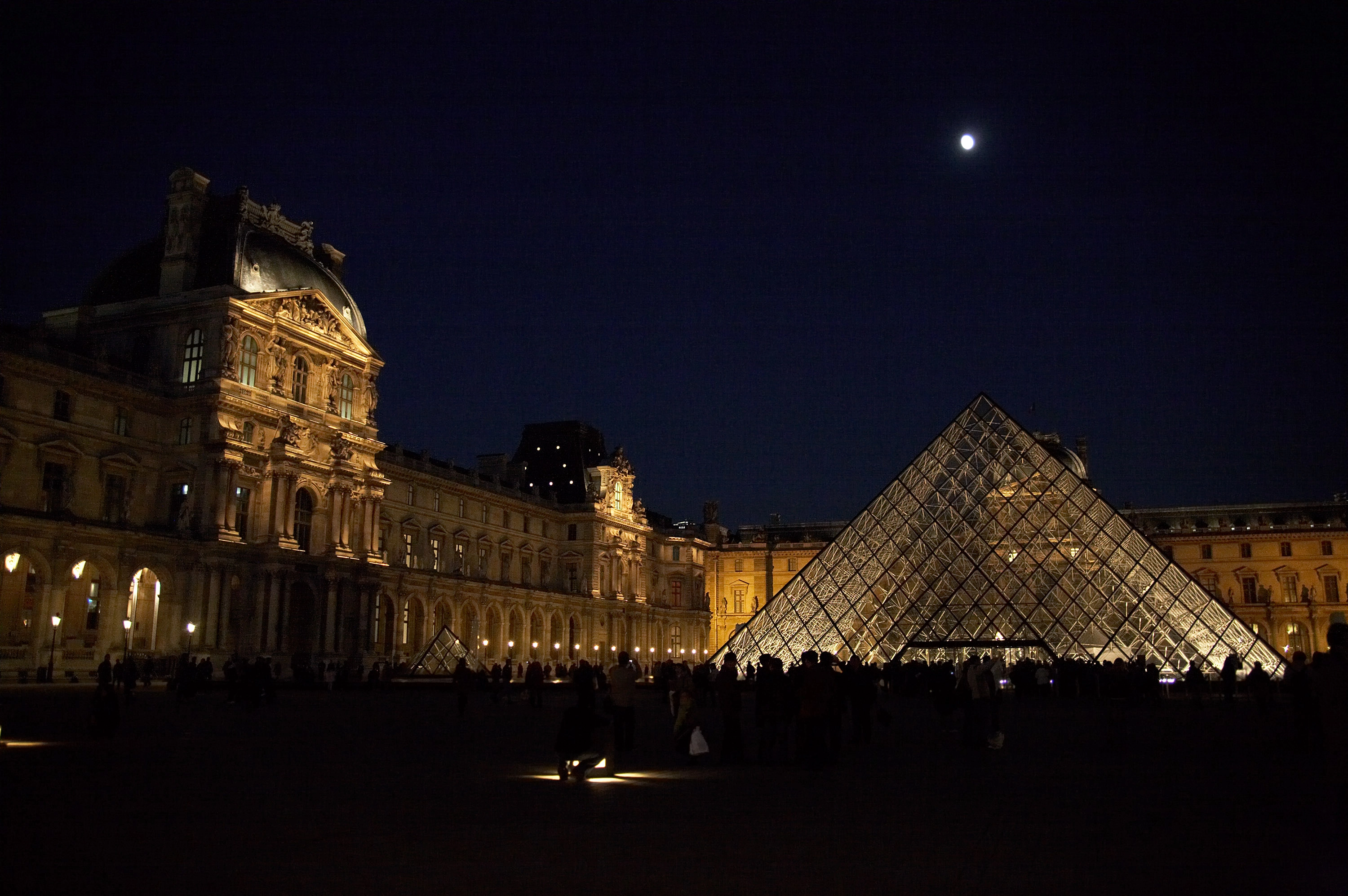
A Rich History
The Louvre Museum has a history that spans over 800 years. Originally built as a fortress in the late 12th century by King Philip II, the Louvre has transformed through the centuries from a royal residence to the world's largest art museum.
In 1793, during the French Revolution, the Louvre opened its doors to the public, becoming one of the first major museums accessible to all. The glass pyramid, designed by I.M. Pei and completed in 1989, marked a modern addition to this historic palace and serves as the main entrance to the museum.
Today, the Louvre houses over 380,000 objects and displays 35,000 works of art across eight curatorial departments, covering prehistory to the 21st century.
Our Mission
Accessibility
Making art and culture accessible to everyone, regardless of background or ability.
Education
Promoting learning and appreciation of art through exhibitions, workshops, and educational programs.
Preservation
Protecting and preserving our cultural heritage for future generations.
Our Collections
Eight Departments
Our collections are organized into eight curatorial departments: Near Eastern Antiquities, Egyptian Antiquities, Greek, Etruscan, and Roman Antiquities, Islamic Art, Sculptures, Decorative Arts, Paintings, and Prints and Drawings.
Iconic Masterpieces
Home to some of the world's most famous artworks, including Leonardo da Vinci's Mona Lisa, the Venus de Milo, the Winged Victory of Samothrace, and countless other treasures.
Global Reach
With over 10 million visitors annually, the Louvre is the most visited museum in the world, welcoming art lovers from every corner of the globe.
Research & Scholarship
A center for art historical research, the Louvre hosts scholars, researchers, and students, contributing to our understanding of art and culture worldwide.
Key Facts
800+
Years of History
380K+
Artworks in Collection
10M+
Annual Visitors
72K
Square Meters